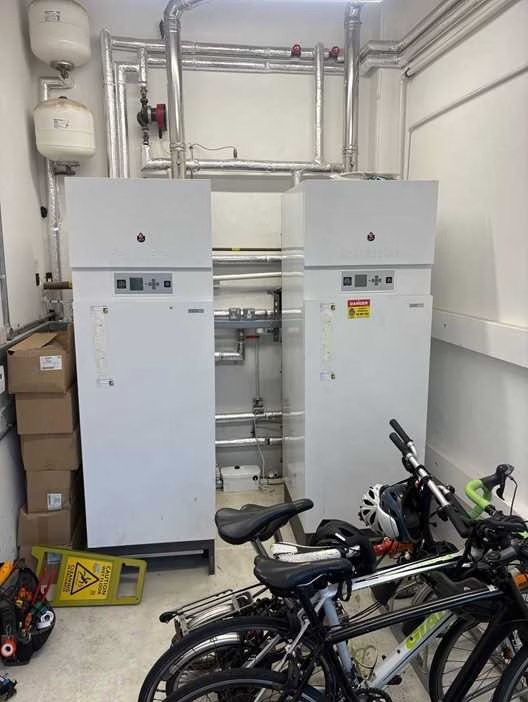
Project Overview
| Location | Westminster, central London (SW1) |
|---|---|
| Call-out | Emergency — overflowing Saniflo in the plant room |
| System | Twin floor-standing boilers with heating expansion vessels |
| Fault found | PRV discharging into the Saniflo; expansion vessels uncharged |
| Work completed | Boilers isolated and made safe pending vessel, valve and discharge repairs |
The Challenge
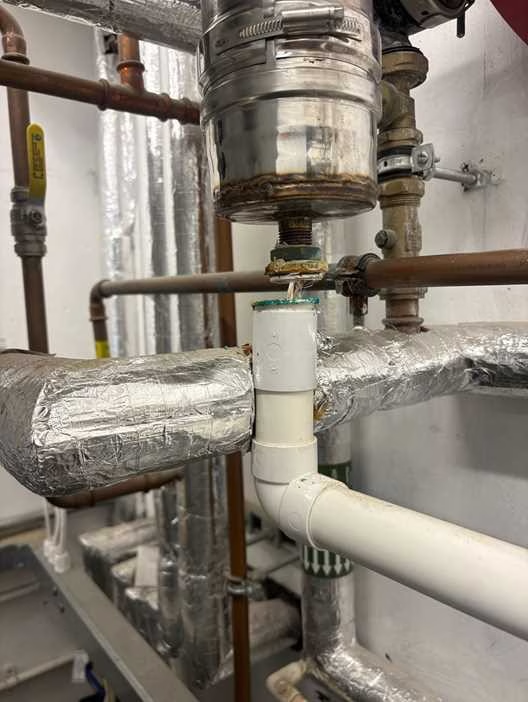
We were called to Westminster as an emergency plumber for a leaking Saniflo in a commercial heating plant room. On arrival the macerator was overflowing. The water was not a blocked waste on its own — a pressure relief valve on the heating plant was discharging straight into the Saniflo.
A Saniflo on a boiler plant is sized for condensate, not for the volume or temperature a PRV dumps when the system over-pressurises. The job that visit was a make-safe: stop the overflow, isolate the boilers, and leave a clear repair list so hot water could be reinstated the next day.
The Solution: Isolate the Plant and Stop the Overflow
The heating expansion vessels were uncharged. With no air cushion left in the vessels, expanding water had nowhere to go except out of the safety valve — and that valve had been piped into the Saniflo instead of a proper copper D2 discharge to outside.
We isolated the twin floor-standing boilers, contained the overflow, and left the plant in a safe condition. No attempt was made to run the system overnight with a live PRV emptying into a macerator. Attendance the following day was agreed so hot water could be brought back once the lasting repairs were booked.
Why the Saniflo Overflowed
This was a plant-room plumbing leak caused by the heating safety arrangement, not a failed macerator motor in isolation:
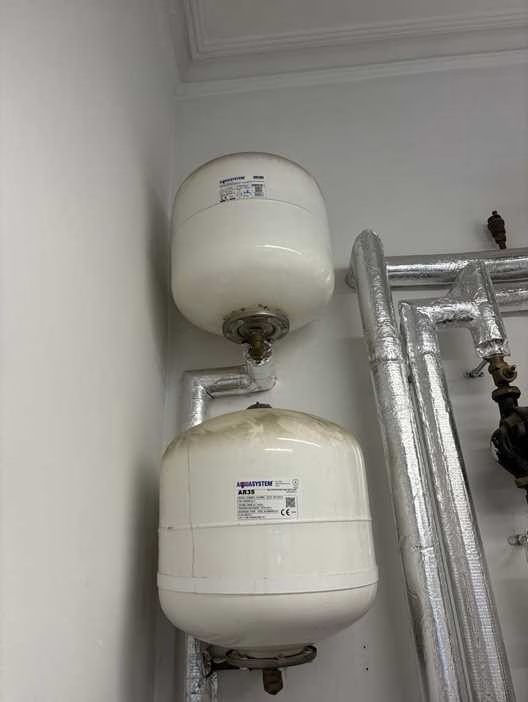
- Uncharged expansion vessels: The wall-mounted Aquasystem vessels had lost their pre-charge. A heating system without a working vessel will lift the PRV as soon as the boilers warm up.
- PRV into the Saniflo: The safety valve was dumping into the macerator. That unit cannot take PRV volume or temperature, so it overflowed across the plant-room floor.
- No D2 to outside: PRV discharge should run in copper D2 pipework to a safe point outside the building, not into a condensate pump.
- Twin-boiler plant: Two floor-standing boilers on one sealed system raise the volume of expanding water. Uncharged vessels on a plant of this size will lift a safety valve quickly.
The Repair Process
- Arrival: Emergency visit to a Westminster plant room after a leaking Saniflo report. The macerator was overflowing.
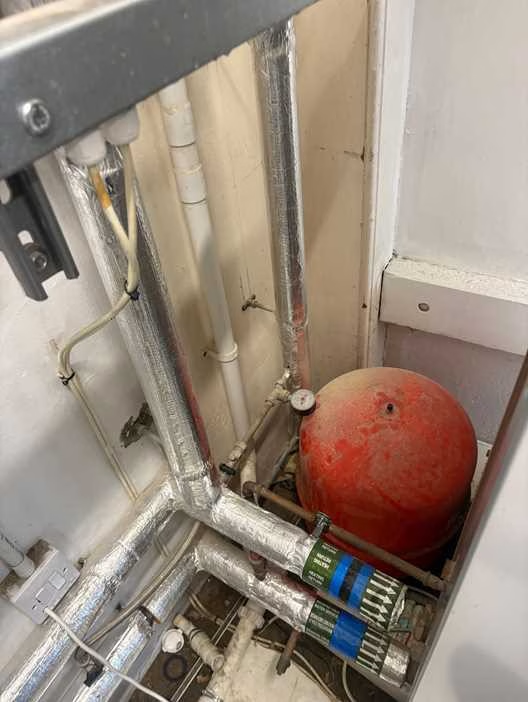
- Diagnosis: The PRV was discharging into the Saniflo. Heating expansion vessels, including the Aquasystem pair and the Zilmet vessel, were uncharged.
- Make-safe: Both floor-standing boilers were isolated. The overflow was contained and the plant was left off so the PRV could not keep filling the macerator.
- Next step: A follow-up visit was agreed for the next day to reinstate hot water once replacement vessels, safety valves, Saniflo units and new D2 pipework could be quoted and fitted.
The Results
The overflow was stopped on the same visit, the boilers were isolated, and the plant room was left safe. The household and insurer had a clear cause — an uncharged sealed system lifting a PRV into a Saniflo — rather than an unexplained leaking macerator. Hot water was scheduled to be reinstated the next day once the lasting repairs were in hand.
Recommended Follow-Up
This visit was a make-safe, not the finished plant-room repair. The work that still needs booking:
- Expansion vessels and safety valves: Replace the uncharged vessels and the associated PRVs. Recharging a failed vessel is not a lasting repair on a twin-boiler plant.
- Saniflo replacement: The macerators have taken heating discharge they were not designed for. Replace the units rather than leave a contaminated pump in service.
- Copper D2 discharge: Run new D2 pipework so every PRV discharges outside, not into the condensate Saniflo.
- Boiler check: Once the vessels and discharge are correct, a boiler repair inspection of both floor-standing appliances will confirm nothing else was stressed by the over-pressure.